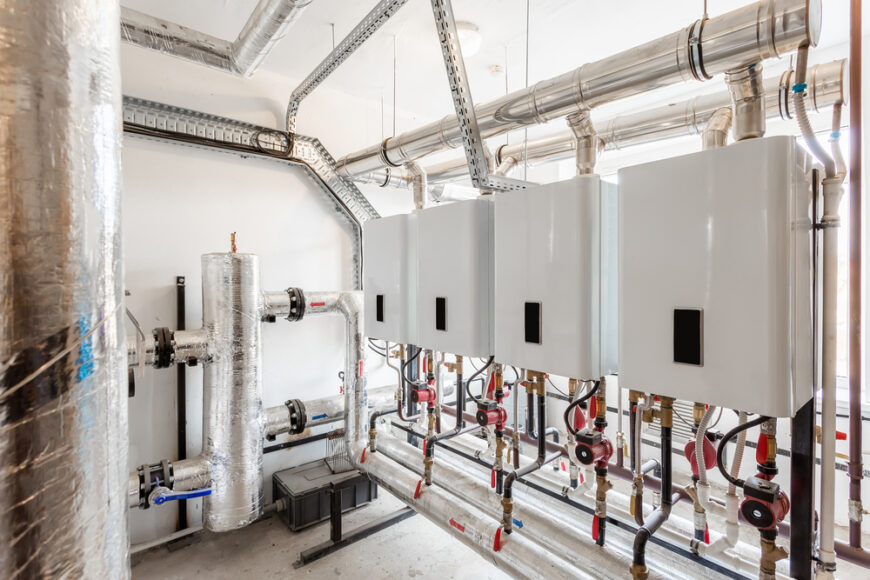
Winter places extra demands on commercial boilers. As temperatures drop, systems must work harder, increasing wear and tear and the likelihood of breakdowns. For sectors ranging from hotels and care homes to holiday parks, manufacturing and aggregates, maintaining an efficient LPG boiler is essential, not just for comfort, but for safety, reliability and cost control.
At Robinsons Gas, we work with businesses across a wide range of sectors, and we know that a little preparation goes a long way. Here’s our quick do’s and don’ts to help keep your commercial boilers performing at their best this winter.
The Do’s:
Do Schedule a boiler service
Running a business is demanding enough without the added stress of unexpected boiler breakdowns. For commercial operations, downtime isn’t just inconvenient, it can be extremely costly, impacting productivity, customer satisfaction, and your bottom line.
if your boiler hasn’t had a professional service in the last twelve months, now is the time to book one. A regular service keeps your system running efficiently, prevents unnecessary issues, and gives you peace of mind during the coldest months of the year. It also helps reduce fuel consumption and emissions, supporting lower operating costs and a smaller carbon footprint for your business.
Why it matters
- Safety first. Even the most reliable boilers can develop faults over time. A professional service carried out by a Gas Safe registered engineer helps identify potential problems before they become serious. One of the biggest risks comes from carbon monoxide (CO), a colourless, odourless gas that can be produced by faulty boilers and appliances. Regular servicing isn’t just about performance; it’s about protecting staff, residents, customers and guests.
- Catching issues early. During a routine service, minor faults can often be identified and resolved before they escalate. Left unchecked, small issues can quickly turn into costly repairs or system failures at the worst possible time. For businesses that rely on consistent heating or hot water, addressing these issues early helps avoid disruption, reduces long-term maintenance costs, and can extend the life of your boiler.
- Efficiency and savings. A well-maintained boiler uses fuel more efficiently. For businesses of any size, even modest improvements in efficiency can add up to significant savings over the winter months, whilst also helping reduce environmental impact and support sustainability goals.
Do keep an eye on boiler performance
Monitoring your boiler’s day-to-day performance is an essential part of effective maintenance, particularly in a commercial setting where heating and hot water are critical to operations. Unusual noises, inconsistent temperatures, sudden drops in pressure, or a noticeable increase in LPG usage can all be early warning signs that something isn’t quite right.
These issues may seem minor at first, but if left unreported they can quickly develop into larger faults, leading to breakdowns, downtime, costly repairs or even safety risks. Acting promptly and reporting any changes to a qualified engineer helps keep your system running safely, efficiently, and reliably.
Do protect against cold weather
Cold weather can be particularly harsh on LPG boiler systems. Exposed pipework and condensate drains are especially vulnerable to freezing, which can cause blockages, damage, and unexpected system shutdowns. Insulating pipes and protecting external components helps maintain consistent flow and reduces the risk of weather-related failures at the time of year when heating is most critical.
This is particularly important for sites with outdoor plant rooms or exposed infrastructure where equipment is more susceptible to the elements. Taking preventive steps can help avoid costly repairs, and ensure your system continues to operate reliably throughout the colder months.
Do train key staff
Training key members of staff is a vital, and often overlooked, part of commercial boiler care. Make sure that relevant team members understand the basics of how the system operates, and more importantly, know how to spot warning signs such as unusual noises, changes in performance, or error alerts.
Having clear, well-communicated reporting procedures in place means any concerns can be raised quickly, reducing response times and minimising disruption if an issue arises.
Alongside this, it’s essential to maintain accurate and up-to-date records of all servicing, inspections, and repairs. Good record-keeping supports compliance with safety and industry regulations, helps with long-term maintenance planning, and can be essential for insurance purposes and safety audits.
The Don’ts
Don’t Ignore warning signs
Even minor changes in your boiler’s performance shouldn’t be dismissed. Unusual noises, pressure drops, inconsistent heating or unexpected changes in fuel usage can all be early indicators of a developing fault. Ignoring these warning signs can allow small issues to escalate into major problems, whereas reporting problems promptly to a qualified engineer can prevent headaches down the line and keep your operations running smoothly.
Don’t delay servicing
Putting off annual servicing or waiting for a breakdown before taking action can be a costly mistake, especially during peak winter demand. Reactive maintenance is almost always more disruptive and expensive than planned, preventative care. Scheduling regular professional servicing ensures your LPG boiler stays efficient, safe, and reliable when you need it most.
Don’t overlook carbon monoxide safety
Carbon monoxide is a serious risk in commercial environments. Never assume your system is safe without regular servicing, clear flues, and properly installed and maintained CO detectors. Protecting people must always come first.
Don’t leave pipes and components exposed
Failing to protect pipework and external components from freezing temperatures can lead to avoidable damage and system shutdowns. Cold-weather issues are often preventable with the right preparation.
Don’t rely on just one person
Avoid having boiler knowledge limited to a single staff member. If they’re unavailable or off-site, potential issues may go unnoticed or unreported. Make sure multiple team members understand basic checks, warning signs, and reporting procedures to maintain continuity, safety, and peace of mind across your operation.
Don’t forget to choose a trusted LPG partner
A reliable supplier is more than just a fuel provider; they’re a partner in keeping your business running efficiently. Working with a trusted LPG supplier who offers professional advice, flexible deliveries, and responsive support gives you the confidence to face the winter months without worry.
By following these simple do’s and don’ts, businesses can reduce the risk of boiler lockouts and breakdowns, control costs, and keep operations running smoothly throughout the colder months.
At Robinsons Gas, we understand how important a reliable boiler is to your business. That’s why we place such a strong focus on service, support and expertise. Businesses across a wide range of sectors trust Robinsons Gas for professional advice, flexible LPG deliveries, and ongoing support tailored to their operation or industry.
Winter doesn’t have to mean boiler stress. By following these tips, your business can stay safe, warm and efficient all season long. From care homes and holiday parks to hospitality venues, manufacturing facilities and poultry rearers, proactive boiler care is an investment that pays off with reliability, comfort and genuine peace of mind.
At Robinsons Gas, our highly experienced customer service team and in-house engineering division are here to help you keep your LPG boiler in peak condition, so you can focus on running your business.
Don’t wait for a problem to arise. Get in touch with us today on 01347 238177 to schedule a service, discuss your fuel requirements, or get expert advice tailored to your business.